
Borra Caves stand as one of Andhra Pradesh's most spectacular natural wonders, located in the Ananthagiri Hills of the Eastern Ghats. These magnificent limestone caves, discovered in 1807, stretch across kilometers of underground passages adorned with stunning stalactites and stalagmites. The caves' unique geological formations, combined with their rich biodiversity and historical significance, create an extraordinary experience for visitors seeking to explore nature's underground masterpieces. As one of the largest cave systems in India, Borra Caves offer adventure, education, and natural beauty in perfect harmony.
Borra Caves
Natural Wonder of Eastern Ghats
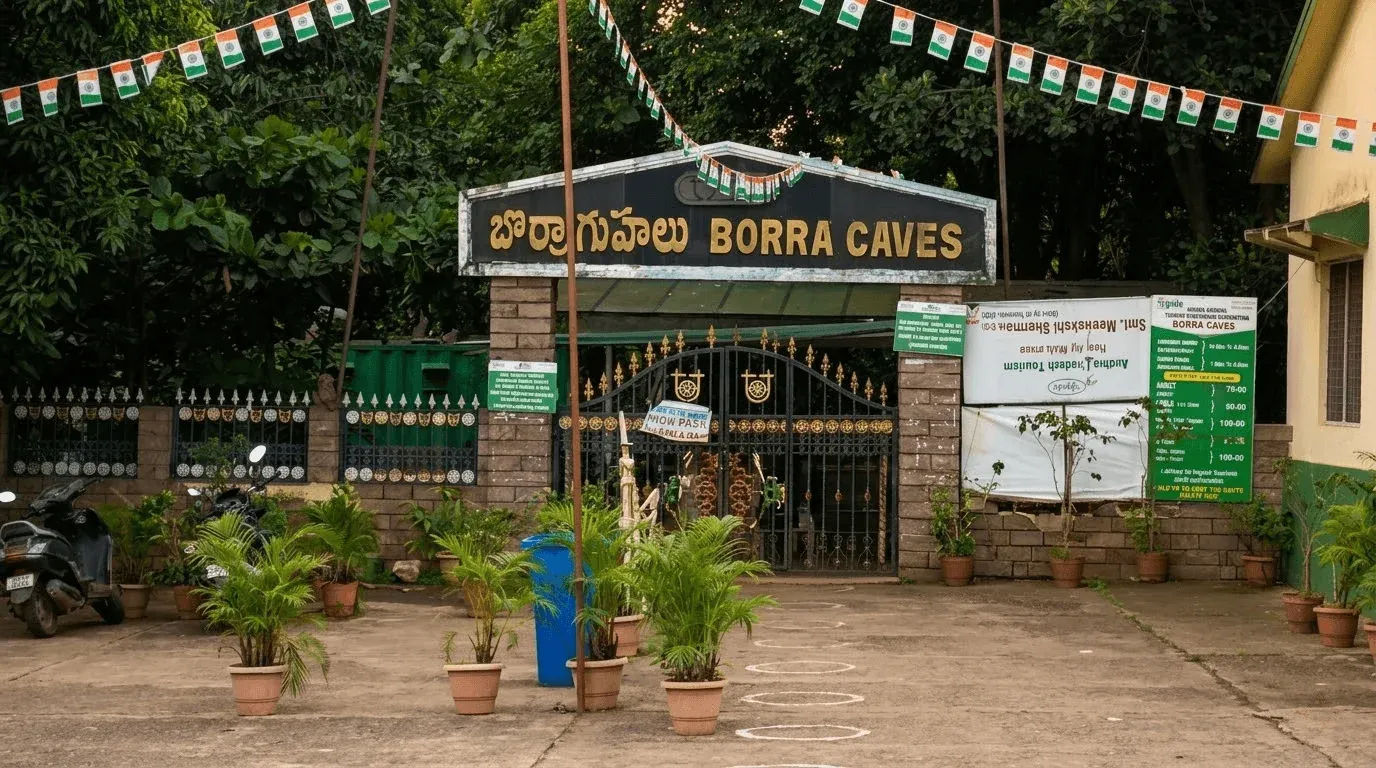
A Glimpse into History of Borra Caves
Ancient Geological Formation
Borra Caves were formed over millions of years through the gradual dissolution of limestone by acidic water. The caves' intricate formations, including massive chambers and unique limestone structures, showcase nature's artistic ability to create underground sculptures through patient geological processes.
Discovery and Exploration
The caves were discovered in 1807 by British geologist William King George while conducting geological surveys of the Ananthagiri Hills. The name "Borra" comes from the local tribal word meaning "hole," reflecting the caves' mysterious underground nature.
Scientific Significance
Borra Caves gained international recognition for their unique geological features and archaeological findings. The caves contain evidence of ancient human habitation and rare cave-dwelling species that have attracted researchers worldwide.
Natural Beauty and Geological Features
Borra Caves showcase extraordinary geological formations that have fascinated visitors and scientists alike. The caves feature multiple chambers with impressive dimensions, including the "Saptasringala" chamber with its stunning circular formations. The unique limestone structures, combined with the surrounding tropical forests and the Gosthani River flowing nearby, create a landscape of natural beauty that complements the underground wonders.
Tribal Heritage and Local Culture
Indigenous Communities
The caves are surrounded by villages of indigenous tribal communities who have preserved their traditional way of life for centuries. These communities offer visitors authentic cultural experiences through their unique customs, traditional crafts, and warm hospitality.
Local Folklore
According to local legends, the caves are believed to be home to supernatural beings and have inspired numerous folk tales. These stories add to the mystical atmosphere of the caves and provide cultural context to the natural formations.
Adventure and Exploration
Borra Caves offer visitors the opportunity to explore one of India's most impressive cave systems through well-developed pathways and guided tours. The adventure of discovering hidden chambers, crossing natural bridges, and witnessing unique geological formations creates an unforgettable experience. The caves' varying difficulty levels and well-maintained facilities make them accessible to adventure seekers of all experience levels.
Travel Guide to Borra Caves
How to Reach Borra Caves
By Air: The nearest airport is Visakhapatnam Airport, approximately 90 km from Borra Caves. Taxi and bus services are available from the airport.
By Train: Borra Guhalu Railway Station is just 2 km from the caves, with regular train services from Visakhapatnam and other major cities.
By Road: Well-connected by road from Visakhapatnam (90 km), Anakapalle (120 km), and other major cities.
Best Time to Visit
The ideal time to visit is from October to March when weather is pleasant and caves are easily accessible. The monsoon season (June-September) can make some cave sections slippery due to increased humidity.
Local Attractions
Ananthagiri Hills: Perfect for trekking and panoramic views of the surrounding landscape.
Araku Valley: Beautiful hill station just 30 km away with coffee plantations.
Tyda Park: Scenic park with natural beauty and recreational facilities.
Tips for Visitors
Wear Non-Slippery Shoes: Cave floors can be wet and uneven.
Carry Flashlight: Some cave sections have limited lighting.
Visit Early Morning: Less crowded and better for photography.
Follow Safety Guidelines: Stay with your group and follow marked paths.